Decomposing time of Plastic (Re blog)

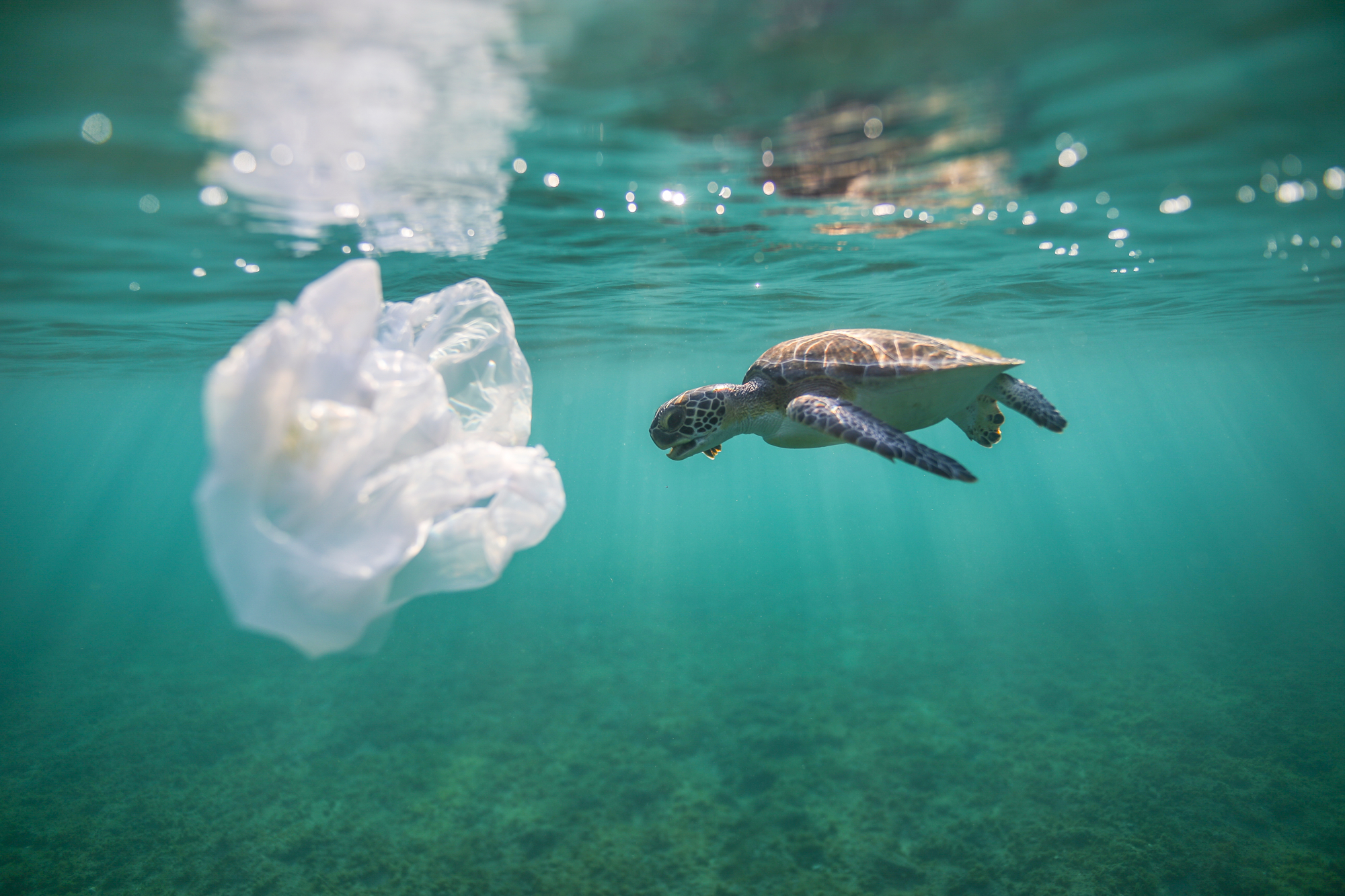
Plastic has become a vital part of human life. It is very commonly used by nearly every human on the planet and we can feel the effects in all corners of the planet. As many people know, plastic does not decompose very easily. It takes roughly 500 years for a piece of plastic to decompose. In these 500 years, much of this plastic finds itself in the ocean. When these plastics make their way into the ocean, it puts marine wildlife in lots of danger. These plastics are consumed much of the time and can cause health problems to all animals. It is believed that 700 species could go extinct because of plastic in the ocean.

Link to original post: https://animalrelations.music.blog/2019/02/14/effects-of-plastic-in-the-ocean/

This blog post from Brandon Suzuki is good at explaining how plastic takes a very long time to decompose. It also goes into what makes the long time for decomposition a huge problem towards marine life. The original post also mentions that 700 species of animals can go extinct because of this.

Petition and Social Media

In order to rally more support for this project, we have started a petition on the website, Change.org. Our petition is pushing to ban the use of PET (Polyethylene terephthalate). PET is used to make plastic bottles. We believe if the use of PET is at least limited and regulated, less water bottles will be made. With less water bottles being made, people will turn to using metal bottles or glass bottles. There will be less incentive to throw out plastic bottles if less of them are being made. So less plastic bottles will end up in the ocean.

Link to petition: https://www.change.org/p/ny-assembly-member-limit-the-use-of-pet-for-plastic-bottles

We also created social media accounts to further promote our cause.

Link to Twitter:https://twitter.com/Andy14901200/status/1104760104837136387

Plastic straws in the Ocean

It has already been a long time since the world first decided to have the bodies of water act as the world’s largest dumping sites. The people, at first, were either shrouded by ignorance or they simply did not care enough. However, when a video went viral last 2015 about a plastic straw being pulled out of a sea turtle, concerned citizens have started campaigning a new advocacy encouraging people to say no to plastic straws.

Over the years, unsurprisingly, it has gained a number of followers, each member eager to the cause. Starbucks even claimed that by 2020, they would eliminate plastic straws, opting instead for biodegradable straws and innovating a newly-designed lid, resembling a sippy cup. McDonald’s UK, American Airlines, and Marriott Hotels have all announced similar changes.

However, how exactly did this problem came to be? Plastics are recycled by recycling plants, so why not straws?

Or, in other words, after using plastic straws once, they are deemed useless.

Some recycling plants do recycle straws, but it is necessary to note that the machines do not always catch straws, ending up in trash and, later, in landfills.


George Leonard of the Ocean Conservancy actually claimed that data from 2017 international coastal cleanup presented that there were 643,000 plastic straws picked up around beaches and waterways all over the world.

https://wordpress.com/read/blogs/156249343/posts/145(Original post)

While plastic straws can be a problem for the ocean, there are so many more dangerous plastics in our waters. This article over highlights the dangers of plastic straws, rather than the dangers of plastic bags, plastic bottles, and plastic pellets, etc. These plastic objects are in larger quantities than straws. Furthermore, many animals die by consuming plastic bags and bottles. Straws can still be a danger to marine life, but they aren’t the only danger, Some plastic trash end up in the ocean quicker than others. This blog fails to mention the harm of other plastic objects and focuses to much on just the straws alone.

Plastic in the Ocean Increasing .


In a new report titled Foresight Future of the Sea by the UK Government Office for Science, discovered that the amount of plastic in the ocean could triple by the year 2025.


Currently, there is already over 5.25 trillion pieces of plastic trash in the world’s ocean and with the current amount expected to triple in such a short time, we need to address the reality of what we have created.

The report warns that the current health of the oceans could have some cruel implications for biodiversity, noting that there is already a 49% decline in marine vertebrate populations between 1970 and 2012.

The world is slowly starting to wake up to our plastic problem but we still use way too much on a global scale. Walk into any super market or restaurant and pay attention to the amount of single-use plastic being used and quickly, it becomes evident how vast our addiction has become.

https://nackpets.wordpress.com/2019/01/14/ocean-plastic-is-expected-to-triple-by-2025-sea-voice-news (original source)

This website discusses the increase of plastic in the following years to come. The site also talks about how there is already 5.25 trillion pieces of plastic in the ocean. It highlights how much of a serious problem we have created just by being careless with our trash. It gives a large scale to the extent of how big this problem is.

Related image

The effects of plastic in the ocean

Hey, my name is Andrew and I am trying to inform people on the effects of dumping plastic in the ocean. It is a massive issue in the world. Many people are careless about leaving their trash in the ocean without any regard of the harm they can cause. If more people are informed on this issue, people might stop leaving their trash in the ocean.

   How Sea Turtles are affected by plastic

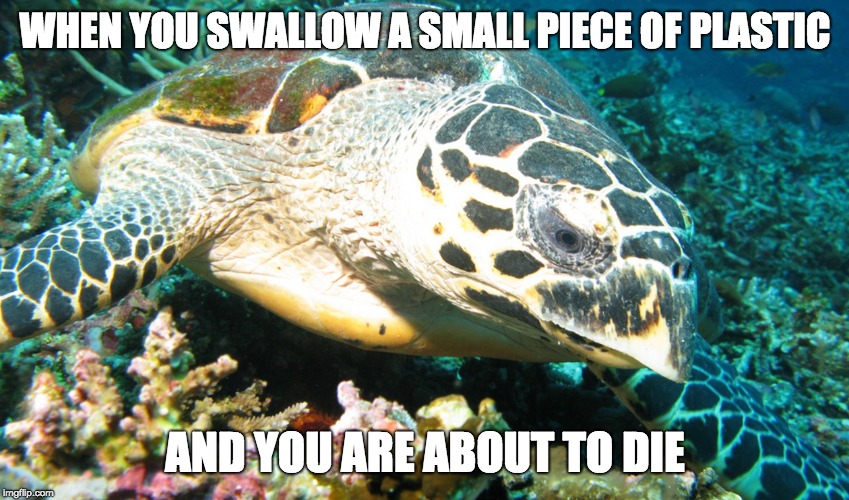
Plastic in the ocean can have a dangerous effect on marine life in the ocean, including sea turtles. Hundreds of thousands of turtles dies from it every year, along with many other sea creatures. Approximately 80% of trash comes from landfills and urban areas, meaning we are part of the problem. The way plastic can harm the turtles is that when they see plastic and other garbage floating around, they can mistake it for food. They would swallow the plastic and it would then cause blockages in their digestive system which can lead to death. To make matters worse only around 5% of the world’s plastic is recycled.

Ben Hicks.JPG

Source: https://www.seeturtles.org/ocean-plastic/